Racing Performance: Car Voltage Regulator
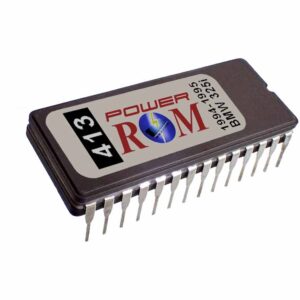
Recently, we have seen a new racing performance scam: the “regulator performance chip”.
What is this new type of “performance part”?
I have read some auction and sales pages listing a “Performance Module,” which is nothing more than a voltage regulator/stabilizer for car voltages, and many people have asked me if it is worth it.
Short answer: NO.
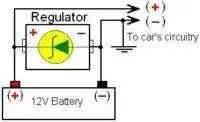
The part being sold is exactly as described: a voltage regulator that maintains the voltage constant, or at least within a voltage range, at all times, and it hooks directly to the battery terminals. Battery terminals? You would say. How can it help performance?
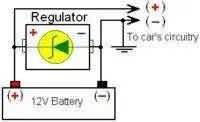
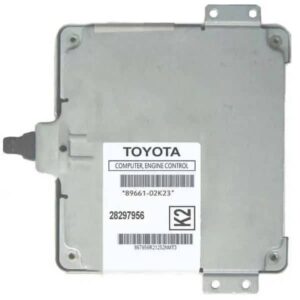
The truth is that this “module” has nothing to do with performance if we are talking about engine-added power or torque. While maintaining a constant voltage for proper automotive electronics is important, a voltage regulator is already built into your car’s alternator; plus, all electronic modules the manufacturer installed already have their own voltage regulation and protection, especially the ECM. You won’t even see an extra pony of power, or a fraction of it, coming out of your car’s engine just by installing a regulator. What is more, if there’s a problem with your car’s charging circuit, unregulated power can be high enough to fry any of those “modules”. So a word of caution here, as I’ve seen many of these “modules” wired directly, without a fuse or any protection to prevent a fire if something goes wrong.
Such “modules” are sold as “Volt Stabilizer Kit” or “regulator performance chip”, and it is claimed to “achieve electrical efficiency by controlling and re-distributing power as required” and also “increasing torque, response, and power, improve audio quality, increase headlight brightness, stabilize idling, improve fuel economy, and increase battery life”. Sure, nothing but pure B.S. here. They do not even know how to write “stabilize”.
Higher Vehicle Voltage
Regulators, stabilizers, noise suppressors, and protectors are already in your car, as mentioned earlier, because manufacturers know how much your car’s system voltage may fluctuate under various conditions, and with today’s modern, complex electronics, protection is a must when designing the vehicle. For example, if someone disconnects a battery terminal while the engine is running, the voltage can spike to damaging levels. They might do this to test the charging circuit the old way, for example, but they may not realize it can spike voltage to damaging levels. If regulators, stabilizers, and protectors were not installed in the ECM and other electronic control modules, you could fry your ECM by doing such a test. Luckily, your car’s manufacturer knows better.
Lower Vehicle Voltage
On the other hand, if voltages get too low, you will have a warning light in your instrument panel, and while the problem is solved, the ECM will compensate for the low voltage (until a certain level) to keep sensitive areas, like injector opening time and ignition, working right, to be able to keep the engine running. In this scenario, those voltage regulators’ “performance” modules have no job to do either, since the regulators protect against higher voltages, not lower.