Random Facts
10 oil brands that are scamming you when they call their product “Full Synthetic”.
What oil are you putting into your engine? Did you know about this scam, where “Full Synthetic” does not always mean “truly synthetic”? And more surprisingly, it is legal to call them “full synthetic” and sell them as such. There are 5 oil chemical groups, and only groups 4 and 5 are truly synthetic. This is why Mobil-1 is still the best oil.
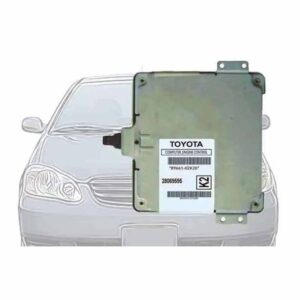
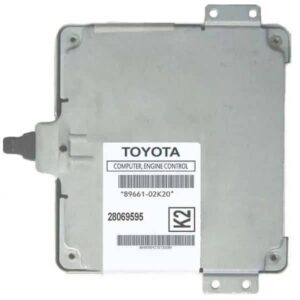
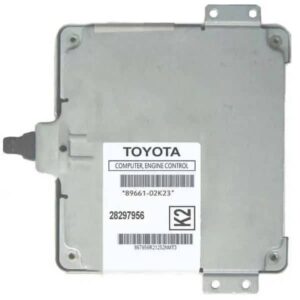
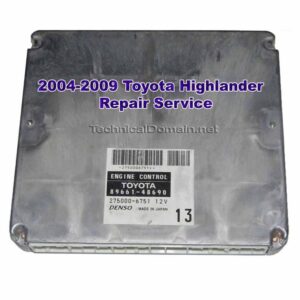
Are ECU and ECM the same thing?
I see this asked in many forums and other sites on the Internet. So I thought I would answer that here: Yes, both acronyms refer to the same part. “ECU” stands for Engine Control Unit and “ECM” stands for Engine Control Module, You will also see “PCM” (Powertrain Control Module), “TCM” (Transmission Control Module), “TCU” (Transmission Control Unit), also “DME” in the case of Bosch, in BMW cars for example (Digital Motor Electronics) and maybe some other acronyms, but all refer to the same part, the computer that controls the engine, or the engine and the automatic transmission, or the automatic transmission alone. The latter is a bit rare nowadays because many manufacturers embed both controllers together, like Toyota.
THIS IS A VERY NICE EXPLANATION OF EVERY SENSOR USED ON CAR ENGINES
IMPORTANCE OF OIL CHANGE
How important is an oil change for your car’s engine? I will let Jason from the YouTube channel “Engineering Explained” explain the basics.
HORSEPOWER Vs TORQUE
A horsepower equals 746 watts, or the force that is needed to lift one pound up to 550 feet in one second. As you can see, the factor “time” is included in its definition, and precisely that is what differentiates horsepower from torque.
CALCULATING AN LED RESISTOR
Automotive LED applications usually come pre-built and wired for direct connection to your car’s electrical system (12v). If not, and you need a specific resistor to power an LED or LED product in your car, you can use Ohm’s Law to calculate the resistor value. If you do not use a resistor in series with the LED and wire it directly to the 12-volt automotive electrical system, you will burn the LED. Subtract the LED’s working voltage (WV), typically 1.8 to 2.8 volts, from the car’s supply voltage, which is normally 12.0v to 13.8v. Then divide the result by the LED working current, typically 20mA (0.02 Amperes). For exact results, you will need the LED’s electrical specifications, but it should tolerate some variation anyway.
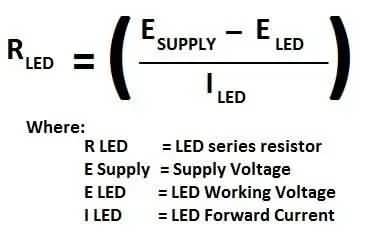
LED Resistor Calculation Formula
Using the typical values given here, the resistor will range from 460 to 600 ohms, but curiously, you often find a 1000-ohm (1K) resistor on pre-assembled units. That will make the LED less bright than it should be. For example, let’s say you have an LED with a forward current of 20 mA (0.02 A) and a voltage of 1.8 V (typical LED values), connected to a 12-volt circuit. In that case, it would be 12 V – 1.8 V = 10.2 V. Then 10.2 / .02 = 510 ohms. That value, 510 ohms, is commonly available, but you can also use 470 ohms or 680 ohms, the next lower and upper commercially available values.
Also, now that you have the calculated current, multiply it by the voltage (car battery voltage – LED voltage) to find the power in watts that the resistor must dissipate as heat. For example, (ex: 12V – 1.8V = 10.2V, multiplied by the 20 mA of the example above, equals 0.204 Watts, so a small 1/4 watt resistor (0.25W) should do the job.
MAF SENSOR CLEANING
To clean your MAF sensor, you can use “electrical parts cleaner” spray, the kind that leaves zero residue (non-lubricant). You must uninstall the MAF unit and spray the chemical on its inner components. After that, leave it to dry for several minutes, as moisture may condense due to the spray’s cooling effect. A mild temperature blower is OK, but not necessary. Other than spraying it, remember to NEVER touch any of the internal elements. 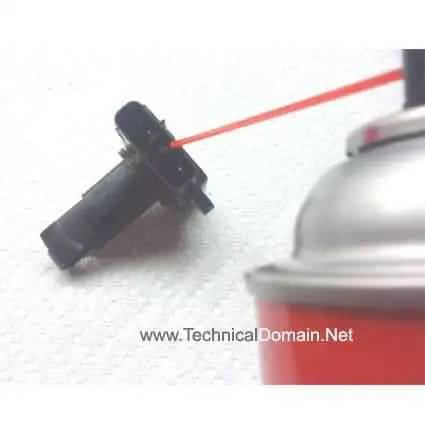
COLD AIR INTAKE
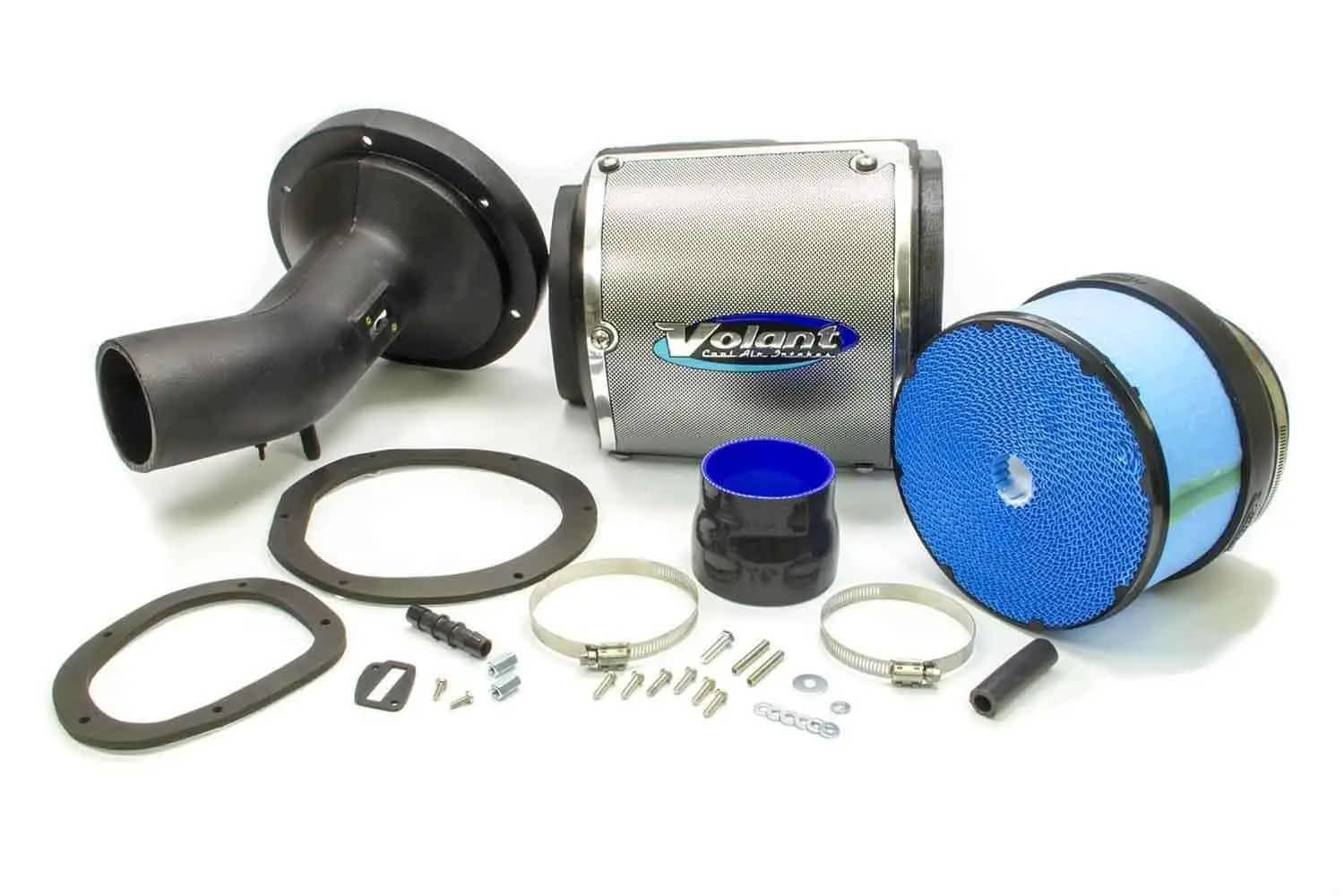
Cold air intakes and RAM air kits aim to provide the engine with the coolest air possible. This matters because the colder the incoming air, the denser it becomes and the more oxygen it contains per volume. Because incoming air ducts run near the engine, they absorb heat from it, partially leaning out the air by expanding it and reducing its oxygen content per volume. Based on this principle, it will be a good idea to include some sort of insulation for cold air kits. Insulation might not be very aesthetic, but since those beautiful chrome runners are metallic, they tend to get too hot, which goes against the original idea of a “cold air” intake. Good insulation for this resists heat, like the insulation used in air conditioning systems: metal foil walls with some sort of fiber inside. The fiber insulates the interior of the air duct from heat, while the metal foil coating helps reflect heat away from the outside of the air duct.
NO2 (NITROUS OXIDE)
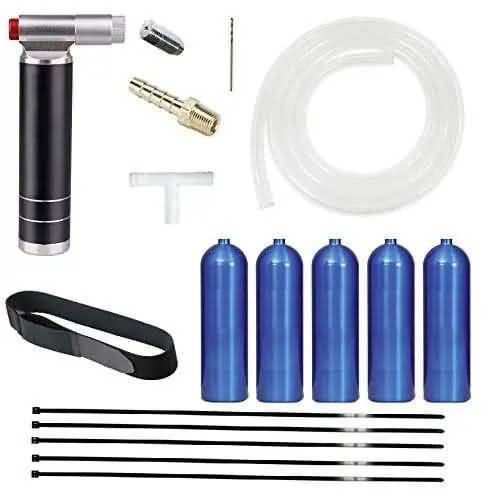
NO2 Nitrogen gas, the main compound in NOS systems, is not a fuel and it will not even catch fire. Instead, it helps out combustion by providing a better oxidant than plain air. This oxidant is oxygen itself. When NO2 gas decomposes at high temperatures, it liberates oxygen molecules and pure nitrogen molecules. The “N2” molecules (33% of the material) will escape to the atmosphere, while the O2 (66% of the material) will be used in the combustion chamber at the explosion stroke of the engine. Problems with NO2 injected in the fuel mixture are: (1) it will produce much higher combustion temperatures and (2) it will need more fuel content in the mixture, or a dangerous, extremely lean air/fuel mixture condition may occur.
Example of a NOS / NO2 nitrous oxide kit for motorcycles
TURBONATOR
Vendors of the infamous “Turbonator” and similar devices make false claims that the product increases performance by creating a tornado effect in the incoming air. They claim that the air movement created right after it enters the intake manifold, in front of the throttle plate, will increase horsepower and improve combustion. The truth is that several factors combined make the theory behind it incorrect, making the device useless. We tested this on the Dyno (a dynamometer) several times with negative results. It is possible that such a “tornado effect” is not even being produced. Another factor is that the distance from the device to the throttle is too long. By the time the air reaches the throttle, there will be no “tornado”, if there was one anyway. In the end, the device reduces the total diameter of the air path, making it just another restriction in the incoming air path that results in nothing more than a power loss. The same goes for electrical fans put inside the air duct and such. You don’t need to take our word for it; of course, you can try it yourself. If you have real gains (with evidence), please submit a guest post on this website, and we will publish it! 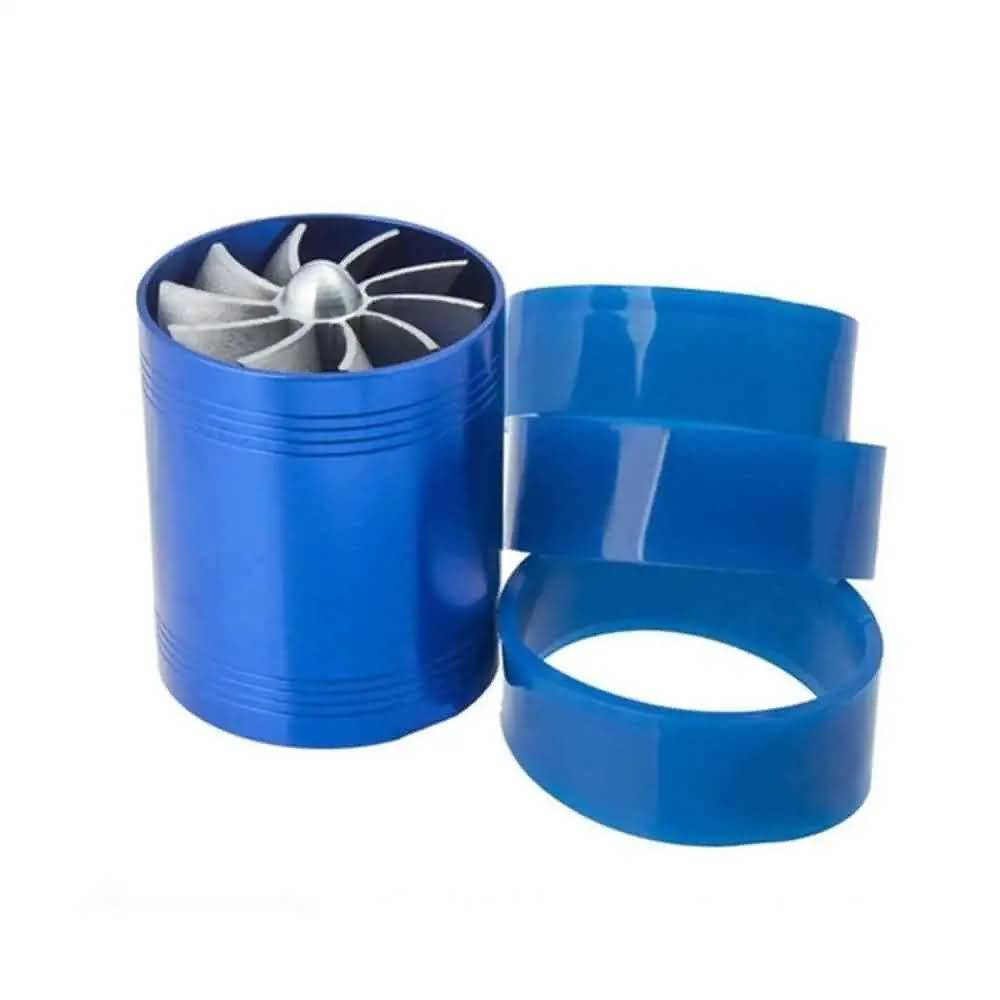
SPARK PLUGS
Using the recommended spark plugs is important because of the operating temperature, or heat range, they produce. This heat range referred to as “hotter” or “cooler”, defines the ability of the plugs to dissipate heat from the center electrode (tip), produced by cylinder combustion. The less heat they dissipate, the more heat accumulates at the central electrode at a given time, and the “hotter” the plug is said to be. Manufacturers can manage this temperature range by choosing the length of the ceramic insulation on the center electrode and selecting the metal type or alloy, among other factors.
So for “hotter” spark plugs, the longer the insulation, the less the center electrode is exposed, the longer the heat has to travel to dissipate, and the more heat accumulates. For “cooler” spark plugs, it’s the opposite: the center electrode is shorter, with shorter insulation.
The spark plug heat range matters for engine behavior across different speeds, as engines have different characteristics that may require a hotter or cooler spark plug to avoid fouling at idle or power loss at high speeds. It depends on the design and requirements, as listed in the manufacturer’s specifications. 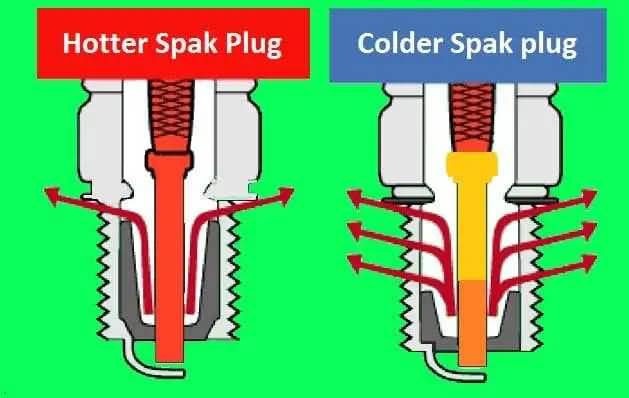
The best Spark Plug explanation video ever:
EGR (Exhaust Gas Recirculation)
The EGR valve does help lower overall engine operating temperature, but the engine cooling system could handle it without EGR. The EGR’s main purposes are environmental. This valve is commonly closed at idle and low engine speeds to avoid disrupting engine operation during these critical moments. When it opens at higher engine speeds, it recirculates a portion of exhaust gas from the exhaust manifold to the intake manifold.
The EGR re-injects this inert, oxygen-depleted gas into the engine for re-burning. This lowers the combustion temperature because less oxygen is available. This will prevent toxic emissions of nitrogen oxides (NOx or NxO), which only form in the presence of Nitrogen (from the atmosphere, which is 78% Nitrogen), Oxygen (from the atmosphere too – 20%), high temperature, and high pressure (both from the engine combustion stroke at high engine speeds). The EGR only kicks in after a certain amount of engine RPMs, and the power loss caused by this system is so small that you won’t even notice it, so don’t waste your time and money trying to eliminate or bypass the EGR, which will only fail the emissions tests and is not good for the environment.
JUMP STARTING
When jump-starting a dead-battery vehicle from another vehicle, it is OK to start the engine of the vehicle supplying the charge after connecting the jumper wires, so the dead battery gets a faster charge from the running engine’s alternator before attempting to start the other car. When trying to start the vehicle with the dead battery, it is OK to leave the jumper wires connected to help the other vehicle start, BUT you must first turn off the engine of the vehicle supplying the charge to avoid damaging the alternator.
The alternator has an internal rectifier and regulator chip, which may be damaged if it runs when you try to start the vehicle receiving the charge. Cranking current, the current the starter draws from the battery when starting a car, is very high (100s of amperes). If the dead battery doesn’t have enough charge to supply that current, it will draw from any other available source: the good battery and, if running, the alternator.
The alternator rectifier and regulator internal chip can supply up to about 50 amperes in normal cases (small cars). If you force it to supply more than that, you may fry it. Best practice is to connect the cables, leave the engine off, wait a few seconds while the good battery passes some charge to the discharged battery, and then try to start the non-starting vehicle with the cables connected. Once it starts, disconnect the jumper cables and start the other vehicle.
PCV VALVE
The PCV, or “Positive Crankcase Ventilation Valve,” removes blow-by gases produced by piston movement that accumulate past the piston rings inside the engine block, outside the cylinder or combustion chamber. These gases must be removed because they can condense inside the engine block when the engine is not running and turn into an acid that quickly corrodes the engine from the inside.
The PCV comes into the scene. It has a spring that forces it open, but it stays closed at idle because the engine’s high vacuum (negative pressure) at idle exceeds the spring force. As soon as the throttle is opened, the vacuum escapes and pressure rises to near atmospheric pressure (14.7 psi). Since there isn’t enough vacuum at that moment to overcome the spring force, the spring opens the PCV and allows blow-by gases to be sucked into the intake manifold to be burned by the engine. This design lets the gases burn off only when accelerating, without disturbing the engine at idle. That is why the engine starts jumping and turns off by itself at idle when the PCV is damaged and opens at idle.
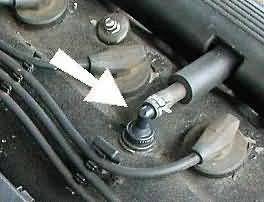
PCV Valve
HYDROGEN AS A FUEL (HHO)
The technology of using HHO, or separating hydrogen and oxygen gases from water and injecting them together as fuel in cars, is still not fully developed for one reason or another; though it is an excellent and promising idea, those “HHO” kits around the internet are unsurprisingly not performing as advertised.
The worst part is that people selling these kits know this but still sell them with false claims. Those vague “kits” cause more trouble than they solve. One example is internal damage to the intake manifold because of excess moisture generated by those kits, not to mention corrosion from sodium chloride vapors and other chemicals used as catalysts for the electrolysis of water. You should know that the amount of HHO needed to get results in car engines is far more than those kits can generate. You should also know that when HHO burns, its main product is water. Although it is environmentally safer than carbon oxides, all that water will end up inside your engine, from the cylinders where the HHO mixture burns to the exhaust manifold, catalytic converter, and muffler. The circuits, materials, and chemicals used on these kits haven’t been tested by any safety agency and may be a hazard for you or may cause damage to your vehicle, including short circuits, fire, corrosion, and engine malfunction, among others. It may also void your vehicle’s existing warranty.
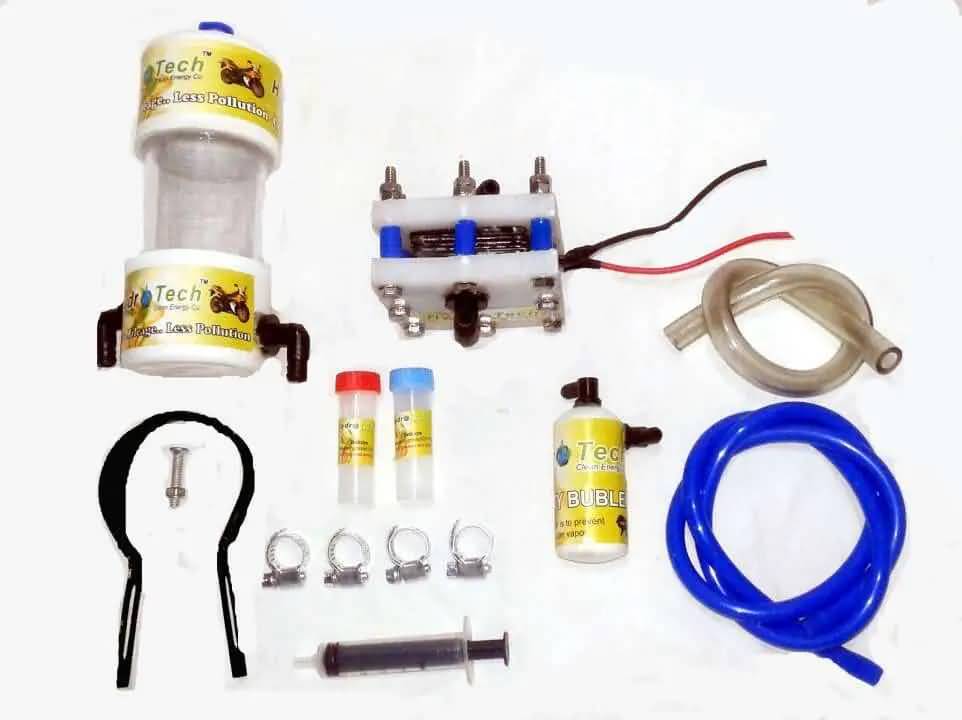
HHO Generator Kit
Here is what they call a “Dry Cell” HHO Generator:
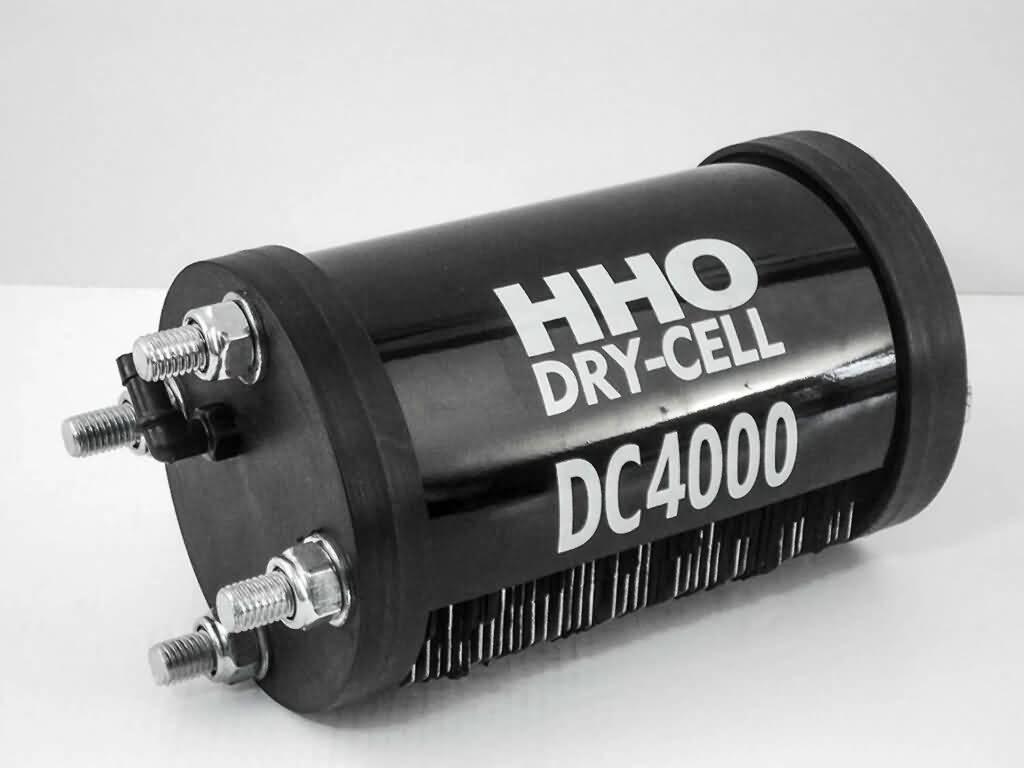
Dry Cell HHO Generator
For this one, we need to do some research. If you have any information or experience with it, please add a comment.
MAF AND AFM
The difference between the MAF (Mass Air Flow) sensor and the earlier AFM (Air Flow Meter) sensor is that the AFM measures incoming airflow by volume, while the MAF measures it by mass. That said, the MAF is the more accurate of the two devices for calculating how much air is entering the engine. This is because air mass lets you calculate air density more accurately than metering air volume per period. For example, under hot conditions, the same amount of air per period may expand and increase in volume without adding any extra material. It just expanded with heat and got thinner (lower density), but the same amount of elements (gases) is still there. That is not the case when measuring mass.