Pros and Cons of getting a Tesla car
About Tesla Cars
NOTE: This post is old, and by the time you read it, the models may have better specifications, or there may be other models not mentioned here.
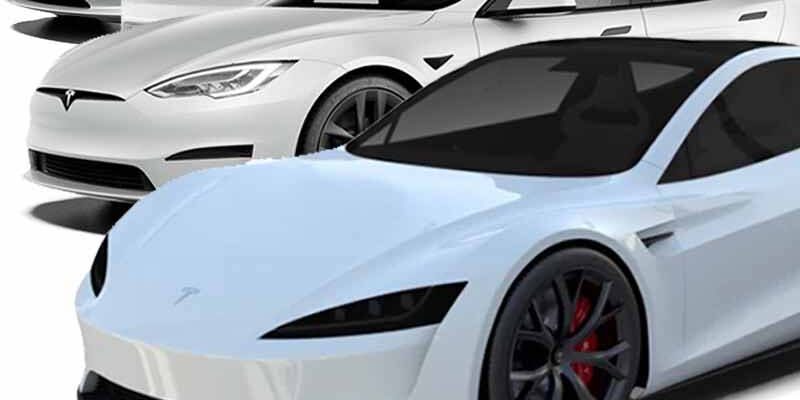
Tesla has been revolutionizing the automobile industry since its inception. The company is renowned for its electric cars, which offer exceptional performance and innovative features. Tesla cars have become incredibly popular in recent years, with models for different needs and budgets, from the more affordable Tesla Model 3 to the luxurious Tesla Roadster.
Owning a Tesla car has its advantages and disadvantages, but for many people, the benefits outweigh the drawbacks. Tesla cars are environmentally friendly, packed with advanced features, and have impressive battery life and capacity. However, owning a Tesla can be expensive, and it may require some technical knowledge to maintain and troubleshoot the vehicle.
If you’re interested in buying a Tesla car, it’s important to weigh the pros and cons and do your research before making a decision, because, as with any vehicle, there are both advantages and disadvantages to owning a Tesla car. Here, we look at some of the pros and cons of owning a Tesla and provide technical information at the end to help you make a better decision.
Pros of Having a Tesla Car
One of the biggest advantages of owning a Tesla is that it’s an electric vehicle, which means it’s environmentally friendly and saves you money on fuel. The Tesla Model 3 has a range of 358 miles (576 km) on a single charge, while the Tesla Model S averages 396 miles (637 km). Newer models, such as the Tesla Model Y, also offer impressive range. One handy and comfortable feature is that you can charge your Tesla at home or at one of Tesla’s Supercharger stations, which are located throughout the country.
Another pro of owning a Tesla is its features. Tesla cars have a range of advanced features, such as Autopilot, which can help you navigate the road and avoid accidents. The car’s battery capacity and life are also impressive, with Tesla offering an eight-year, unlimited-mileage battery and drive unit warranty for the Model S and Model X, and a similar warranty for the Model 3 and Model Y.
Tesla cars use an induction motor, which differs from the traditional permanent-magnet motors found in many other electric vehicles. The induction motor is more efficient and allows better performance, such as faster acceleration and higher top speeds. Because permanent magnets can lose their magnetic properties at high temperatures, an induction motor is more durable.
Finally, Tesla cars come with a range of accessories, such as the Tesla car jack and Tesla car wash mode. The car’s interior is sleek and modern, with a large touchscreen display for controlling the car’s features. Tesla cars also receive regular updates, which can add new features and improve performance.
Cons of Having a Tesla
While owning a Tesla car has many advantages, like anything on the market, it also has downsides to consider. One of the main drawbacks of owning a Tesla car is the price. Tesla cars can be expensive, with the Tesla Model S starting at around $80,000 and the Tesla Roadster costing over $200,000. You also have to consider the cost of replacing a Tesla battery, which can be quite high, although the eight-year warranty offers some peace of mind.
Another con of owning a Tesla car is that it may require some technical know-how. Tesla cars use electric motors, which have different specs than traditional gasoline or diesel engines. Also, Tesla cars have had minor quality issues, such as loose trim or panel gaps, and there have been concerns about hacking and security.
Finally, refueling a gas or hybrid car takes a few minutes. “Refueling” a Tesla takes more time, so plan your trips in advance if they vary from your daily commute.
Tesla Models Specifications
If you’re interested in the technical side of owning a Tesla car, below are the basic comparison tables, comparing some of the features of different models:
| Model | Type |
|---|---|
| Model 3 | Entry-level sedan |
| Model S | Flagship sedan |
| Model X | SUV |
| Model Y | Crossover SUV |
| Roadster | Sports car |
| Model | Range |
|---|---|
| Model 3 | 358 miles (576 Km) |
| Model S | 396 miles (637 Km) |
| Model X | 333 miles (535 Km) |
| Model Y | 330 miles (531 Km) |
| Roadster | 620 miles (997 Km) |
| Model | Acceleration |
|---|---|
| Model 3 | 0 to 60 mph (0-96 kph) in 5.3 seconds |
| Model S | 0 to 60 mph (0-96 kph) in 1.98 seconds |
| Model X | 0 to 60 mph (0-96 kph) in 2.5 seconds |
| Model Y | 0 to 60 mph (0-96 kph) in 4.8 seconds |
| Roadster | 0 to 60 mph (0-96 kph) in 1.9 seconds |
| Model | Battery |
|---|---|
| Model 3 | 50 kWh |
| Model S | 100 kWh |
| Model X | 100 kWh |
| Model Y | 75 kWh |
| Roadster | 200 kWh |
| Model | Motor |
|---|---|
| Model 3 | 258 hp single motor |
| Model S | 1020 hp dual motor AWD* |
| Model X | up to 1020 hp dual motor AWD* |
| Model Y | 480 hp Dual motor AWD* |
| Roadster | Up to 1242 hp Tri-motor AWD* |
| Model | Features |
|---|---|
| Model 3 | Tesla Autopilot, sleek minimalist design |
| Model S | Tesla Autopilot, luxurious interior, 17-inch touchscreen display |
| Model X | Falcon Wing doors, Tesla Autopilot, spacious interior, up to 7 passengers |
| Model Y | Panoramic glass roof, Tesla Autopilot, generous cargo capacity |
| Roadster | Removable glass roof, sleek aerodynamic design |
One major concern for electric car owners is the cost of replacing the battery. Tesla offers an 8-year or 120,000-mile battery warranty, whichever comes first. Beyond the warranty period, battery replacement can cost $5,500 to $16,000, depending on the model.
Tesla Electric Motor Specs
Tesla uses an induction motor in all its models. Induction motors are known for their simplicity, reliability, and efficiency. They use a magnetic field to create rotational energy that powers the car. The electric motors used in Tesla cars range from 258 to over 1200 horsepower and 10,000 Nm of torque, depending on the model